


-

Add: HeBei ShengShi HongBang Cellulose Technology CO.,LTD.
-

Email
13180486930@163.com -

CONTACT US
+86 13180486930



Fiberglass for Concrete Mix Enhancing Strength and Durability Concrete is one of the most widely used construction materials in the world, known for its strength and versatility. However, it does have its limitations, such as brittleness, susceptibility to cracking, and overall weight. To tackle these challenges, the incorporation of fiberglass into concrete mixes has emerged as a game-changing solution that boosts performance while maintaining the same traditional characteristics of concrete. What is Fiberglass? Fiberglass, or glass fiber, is a reinforced plastic material composed of fine fibers of glass. It is known for its high strength-to-weight ratio, excellent resistance to corrosion, and impressive insulation properties. When added to concrete mixes, fiberglass can significantly enhance the material's overall performance, making it a popular choice in various construction applications. Benefits of Fiberglass in Concrete Mixes 1. Improved Tensile Strength One of the most significant advantages of incorporating fiberglass into concrete is the enhancement of tensile strength. Traditional concrete tends to be strong in compression but weak in tension, which can lead to cracks and structural failures. By adding fiberglass, the tensile strength increases, making the concrete more resistant to stress and load-bearing requirements. 2. Reduced Shrinkage and Cracking Fiberglass acts as a reinforcement that helps to minimize shrinkage during the curing process. This reduction in shrinkage translates to a decreased risk of cracking, which is often a common issue in standard concrete mixes. By effectively controlling cracking, fiberglass-reinforced concrete extends the lifespan of structures and reduces the need for repairs. 3. Lightweight Composition The lightweight nature of fiberglass compared to traditional reinforcement materials like steel means that concrete mixes can maintain lower overall weight. This can reduce the structural load on foundations while still providing the necessary strength and durability. Such lightweight composition is particularly advantageous in projects where load restrictions are critical. fiberglass for concrete mix 4. Enhanced Durability Fiberglass is naturally resistant to corrosion and chemical attack, which can often plague concrete exposed to harsh environmental conditions. By incorporating fiberglass, the resulting concrete becomes more robust against moisture penetration, temperature fluctuations, and aggressive chemicals, making it ideal for use in areas such as coastal regions, industrial sites, or places with severe weather. 5. Cost-Effectiveness While there may be initial costs associated with adding fiberglass to concrete mixes, the long-term savings are significant. The durability and reduced maintenance associated with fiberglass-reinforced concrete often lead to lower repair and replacement costs over the lifecycle of a structure. Additionally, the efficiency of construction and the potential reduction in material usage can further offset expenses. Applications of Fiberglass-Reinforced Concrete The application of fiberglass in concrete mixes spans across various sectors including residential, commercial, and industrial construction. From precast concrete products to architectural elements, such as facades and sculptures, fiberglass enhances the performance and aesthetic appeal of concrete structures. One notable application is in the construction of pavements and flooring systems. The addition of fiberglass not only improves the structural integrity but also provides slip resistance, ensuring safety in both industrial and commercial environments. Moreover, the use of fiberglass in thin overlays and shotcrete processes shows significant promise, allowing for quick application with high durability. Conclusion In conclusion, the integration of fiberglass into concrete mixes presents a wealth of benefits that significantly enhance the material's performance. Improved tensile strength, reduced shrinkage, enhanced durability, and lightweight composition make fiberglass-reinforced concrete an excellent choice for modern construction projects. As the construction industry continues to evolve, adopting innovative materials like fiberglass will be crucial in meeting the demands for stronger, more resilient, and cost-effective building solutions. By embracing these advancements, engineers and architects can create structures that not only stand the test of time but also contribute to more sustainable development practices.
- 40000tons

Production
- 20+years

Experience
- 5000+㎡

Acreage

-
The emergence of HPMC nasal spray as a potential tool in the fight against COVID-19 has garnered significant attention from healthcare professionals, researchers, and the general public alike. Hydroxypropyl methylcellulose, or HPMC, is a versatile compound widely used in the pharmaceutical industry for its binding properties and safety profile. Its introduction into nasal spray formulations presents a novel approach to mitigating the risk of COVID-19 transmission and providing an additional layer of protection alongside vaccines and other preventive measures. HPMC Nasal Spray A Clinical Insight Amid the pandemic, various studies have explored the efficacy of nasal sprays in preventing viral infections. The primary function of an HPMC nasal spray is to form a protective barrier on the nasal mucosa . This barrier effectively traps viral particles and aids in their removal, reducing the likelihood of them entering the respiratory system. The spray's mechanism relies on the unique properties of HPMC, which allows it to adhere to the nasal lining and create a physical shield without causing irritation or adverse reactions. Researchers exploring HPMC nasal sprays have noted their potential in lowering viral load in the nasal passages, a critical site for initial coronavirus infection. Several clinical trials have been conducted to determine the spray’s effectiveness in real-world scenarios, offering promising results in reducing transmission rates among individuals exposed to COVID-19. Expert Opinions and Guidance Leading virologists and epidemiologists emphasize that while HPMC nasal sprays are not a standalone solution to COVID-19, they can be an effective adjunct to vaccination, mask-wearing, and social distancing. The spray’s ease of use and lack of systemic absorption make it a suitable option for individuals who seek additional protection, especially in high-risk environments such as healthcare settings, crowded public spaces, and among vulnerable populations. Medical professionals recommend the strategic use of HPMC nasal sprays as part of a comprehensive COVID-19 management plan. The spray should be used according to the manufacturer's instructions, typically involving application before exposure to crowded places and regular reapplication for continued efficacy. Building Trust Through Proven Safety hpmc nasal spray covid A key factor contributing to the trustworthiness of HPMC nasal sprays is their safety profile. Derived from cellulose, HPMC is non-toxic, non-allergenic, and widely recognized as safe for use in pharmaceutical and food products. Its application in nasal sprays is supported by extensive research demonstrating minimal risk of side effects, making it suitable for broad public use, including children and individuals with underlying health conditions. Moreover, reputable health organizations and regulatory bodies have begun acknowledging the potential advantages of barrier nasal sprays in respiratory viral protection. Although official endorsements are still emerging, the consistent findings across various studies highlight the spray's potential benefits and safety, encouraging more robust exploration and use. Real-World Experience Testimonials and User Satisfaction Users of HPMC nasal sprays have reported a sense of added security when engaging in daily activities, particularly in scenarios where social distancing is challenging. Many appreciate the spray's non-invasive nature and ease of integration into their routine preventive measures. Testimonials often mention the spray's convenience, noting its unobtrusive application and absence of any noticeable discomfort or side effects. Additionally, users have expressed satisfaction with the spray's perceived effectiveness, reinforcing its credibility as a practical preventive measure. However, they also acknowledge the importance of complementing its use with vaccination and other recommended practices for holistic COVID-19 protection. Concluding Perspective The innovation behind HPMC nasal sprays represents a significant step forward in respiratory disease prevention, particularly in the context of COVID-19. By leveraging its expertise in pharmaceuticals and understanding the dynamics of viral transmissions, the development of HPMC nasal sprays adds a valuable tool to the arsenal against COVID-19. As research continues and adoption increases, stakeholders in public health and the healthcare industry are poised to gain valuable insights into the integration of such preventative measures into broader health strategies. The potential of HPMC nasal sprays, backed by scientific expertise and real-world testimonials, positions it as a credible option in our continued efforts to navigate the challenges of the COVID-19 pandemic and beyond.
-
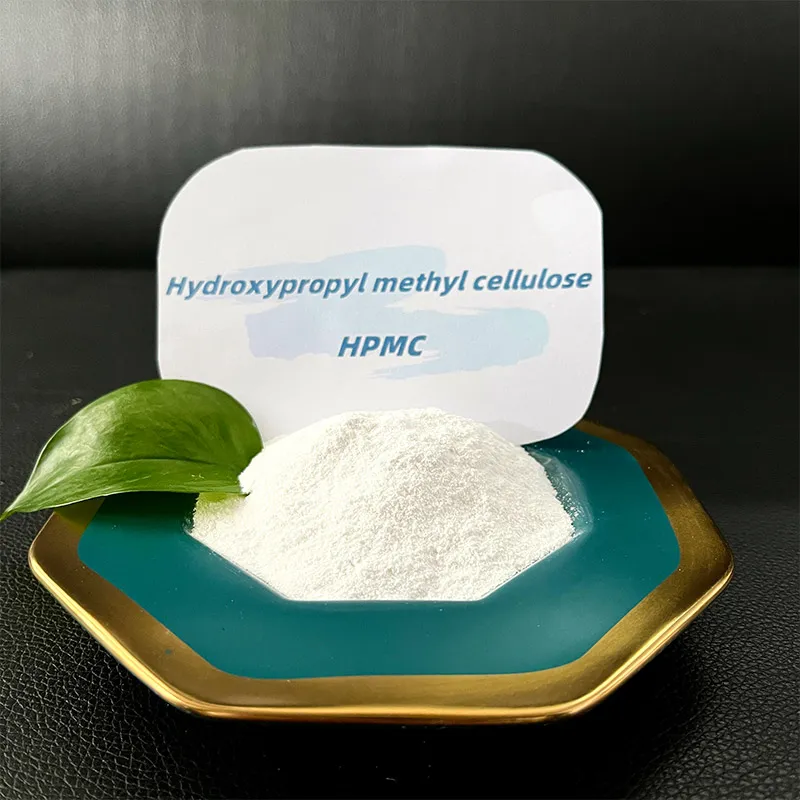
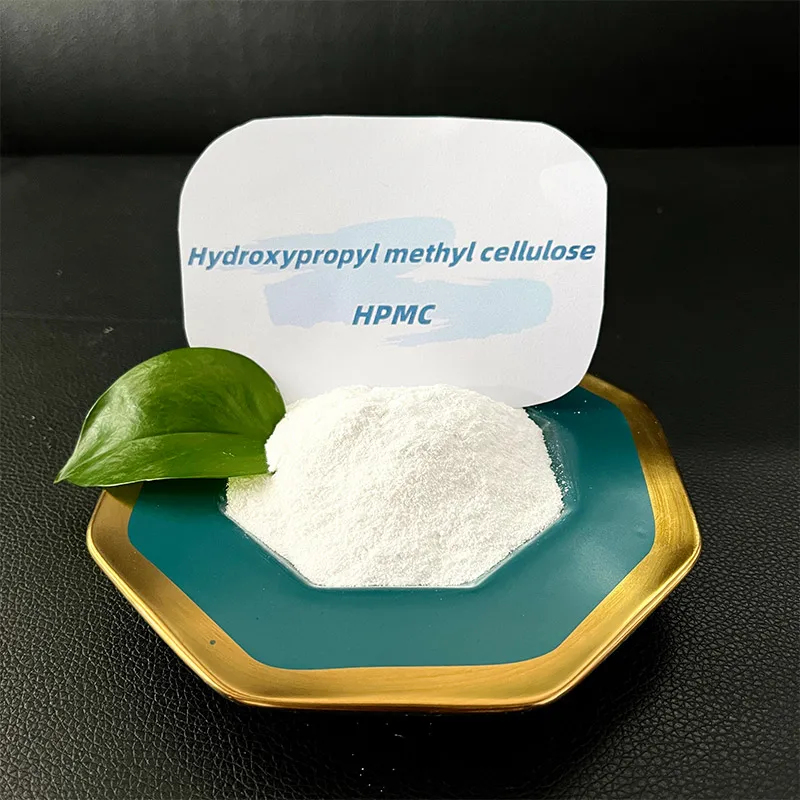
In the rapidly evolving world of construction and pharmaceuticals, the rising star of sustainable materials is Hydroxypropyl Methylcellulose (HPMC) cellulose. This remarkable polymer, derived from plant resources, is transforming the efficiency and sustainability of various sectors. As industries strive for eco-friendly alternatives, HPMC cellulose stands out, combining natural origin with technological sophistication. Hydroxypropyl Methylcellulose, often referred to as HPMC, originates from cellulose, the most abundant polymer on Earth. This crucial building block of plant cell walls offers unique properties when modified chemically. Through a sophisticated process, cellulose is treated to create HPMC, a water-soluble substance that maintains stability across a range of temperatures and pH levels. This adaptability makes it indispensable in multiple applications, asserting its authority in the search for innovative industrial solutions. In construction, HPMC cellulose is revolutionizing processes by enhancing the performance of cement-based products. Its inclusion in construction mixes improves workability, water retention, and adhesion—crucial factors in ensuring the longevity and integrity of structures. Builders and contractors have reported reduced cracks and increased strength in finished products, demonstrating its expertise in addressing common structural challenges. This real-world experience underscores HPMC cellulose's superiority over traditional additives, contributing to more sustainable and durable buildings. The pharmaceutical sector, too, benefits from the versatility of HPMC cellulose. Its use in drug formulation is a testament to its credibility and trustworthiness. As an excipient, it facilitates the controlled release of active ingredients, ensuring that medications deliver effects precisely and reliably. Patients and medical professionals have noted the improved efficacy of treatments containing HPMC, reinforcing its standing as a staple in modern medicine. Moreover, its role in enhancing the solubility and bioavailability of drugs further substantiates its importance, providing evidence of its critical function in healthcare advancements. celulosa hpmc Personal care and cosmetic industries are not left behind in this cellulose renaissance. HPMC is used as a thickening and stabilizing agent in creams, lotions , and shampoos. Its non-toxic and hypoallergenic properties make it ideal for products designed for sensitive skin. Consumers have shared positive feedback regarding the texture and effectiveness of personal care items containing HPMC, corroborating its reputation for safety and performance. As an authority in product formulation, HPMC cellulose aligns perfectly with the growing demand for natural and environmentally friendly beauty solutions. While the practical applications of HPMC cellulose are diverse, ongoing research continues to unlock new potentials and refine its use across industries. Experts are exploring further modifications and combinations with other sustainable materials to enhance its properties and extend its applicability. The relentless pursuit of innovation ensures that HPMC cellulose remains at the forefront of eco-friendly technological advancement, reinforcing its position as a critical material for the future. As the world increasingly turns towards sustainability, HPMC cellulose offers a trustworthy path forward. Its widespread application and proven benefits in construction, pharmaceuticals, and personal care underline its essential role in developing products that are not only effective but also environmentally conscious. For professionals and consumers alike, embracing HPMC cellulose means investing in a sustainable future supported by real-world evidence and expert endorsement. In conclusion, Hydroxypropyl Methylcellulose (HPMC) cellulose exemplifies the perfect fusion of natural origin and scientific ingenuity. Its consistent performance across varied applications speaks volumes about its versatility and reliability. For industries aiming to enhance product performance while reducing environmental impact, HPMC stands as a beacon of sustainable progress, embodying the qualities of experience, expertise, authoritativeness, and trustworthiness that are crucial in today's market.
advantages
-

200000 Viscosities
Excellent product
We can produce pure products up to 200,000 viscosities
-

40000 tons
High yield
We don’t stop production all year round, and the annual output can reach 40,000 tons
-

24 hours
Quality service
We provide 24-hours online reception service, welcome to consult at any time
———— Inquiry Form
Schedule A services
-
 super_absorbent_polymer_powder
Oct . 25, 2025
Fiberglass reinforced polypropylene (FRPP) is revolutionizing industries due to its synergistic blen -
 plastic_synthetic_fibers
Oct . 25, 2025
Methocel HPMC, scientifically known as Hydroxypropyl Methylcellulose, is a versatile ingredient reno -
 cellulose_hpmc
Oct . 25, 2025
The Producers of Starch Ether An Overview Starch ethers are innovative chemical derivatives produced


